Newport and the Waterfront Towers: A Neighborhood Built Facing Manhattan
Along the Hudson in Newport, residential towers, offices, a mall and a riverwalk form one of Jersey City's most recognizable districts.
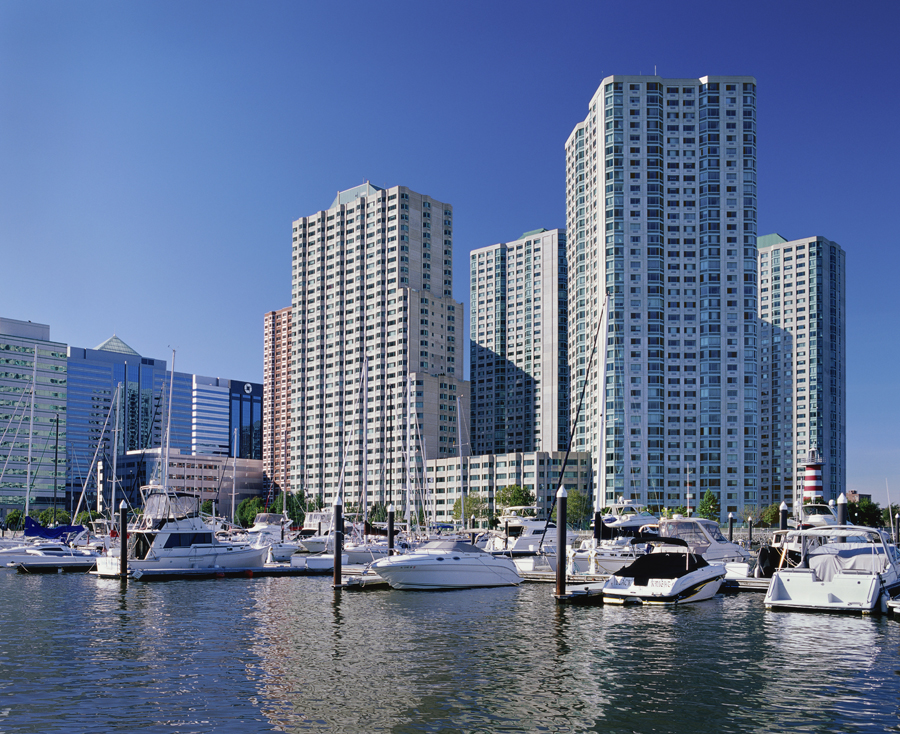
Newport occupies a stretch of the Jersey City waterfront that looks directly across the Hudson River at lower Manhattan. What was once railyard and industrial land is now a dense, planned neighborhood of residential towers, office buildings, hotels and retail, all organized around the Newport PATH station and the Hudson River Waterfront Walkway.
For residents, the appeal is straightforward. The PATH train offers a short ride into Manhattan, the Newport Centre mall provides everyday shopping under one roof, and the riverwalk gives runners, dog walkers and families a continuous paved path along the water. Restaurants and cafes cluster near the station and along Washington Boulevard, giving the area an active street life well into the evening.
The neighborhood also illustrates a broader Jersey City story. Over recent decades, the downtown waterfront has drawn new residents who work in New York but live in New Jersey, as well as families who wanted more space while keeping a transit commute. That growth has brought new schools, parks and services, and it has also kept questions about affordability, traffic and public space at the center of local conversation.
Newport is not a single project but a collection of buildings added over time, which is why its streetscape mixes older low-rise blocks with newer glass towers. Public spaces such as Newport Green, with its open lawn and views of the skyline, serve as a front yard for the surrounding buildings and a popular spot at sunset when the light hits the Manhattan towers across the river.
Whether you arrive by PATH, by light rail or on foot along the walkway from Exchange Place or Hoboken, Newport works best as a walking neighborhood. Give yourself time to leave the main boulevards, find the riverwalk, and follow it in either direction. It is the clearest way to understand how this part of Jersey City was designed: facing the water, and facing the city across it.