
Waterfront Land and Public Access: What Liberty State Park's Future Asks
Liberty State Park's next chapter has long turned on one question: how a public park on priceless waterfront land should be restored, funded and shared.
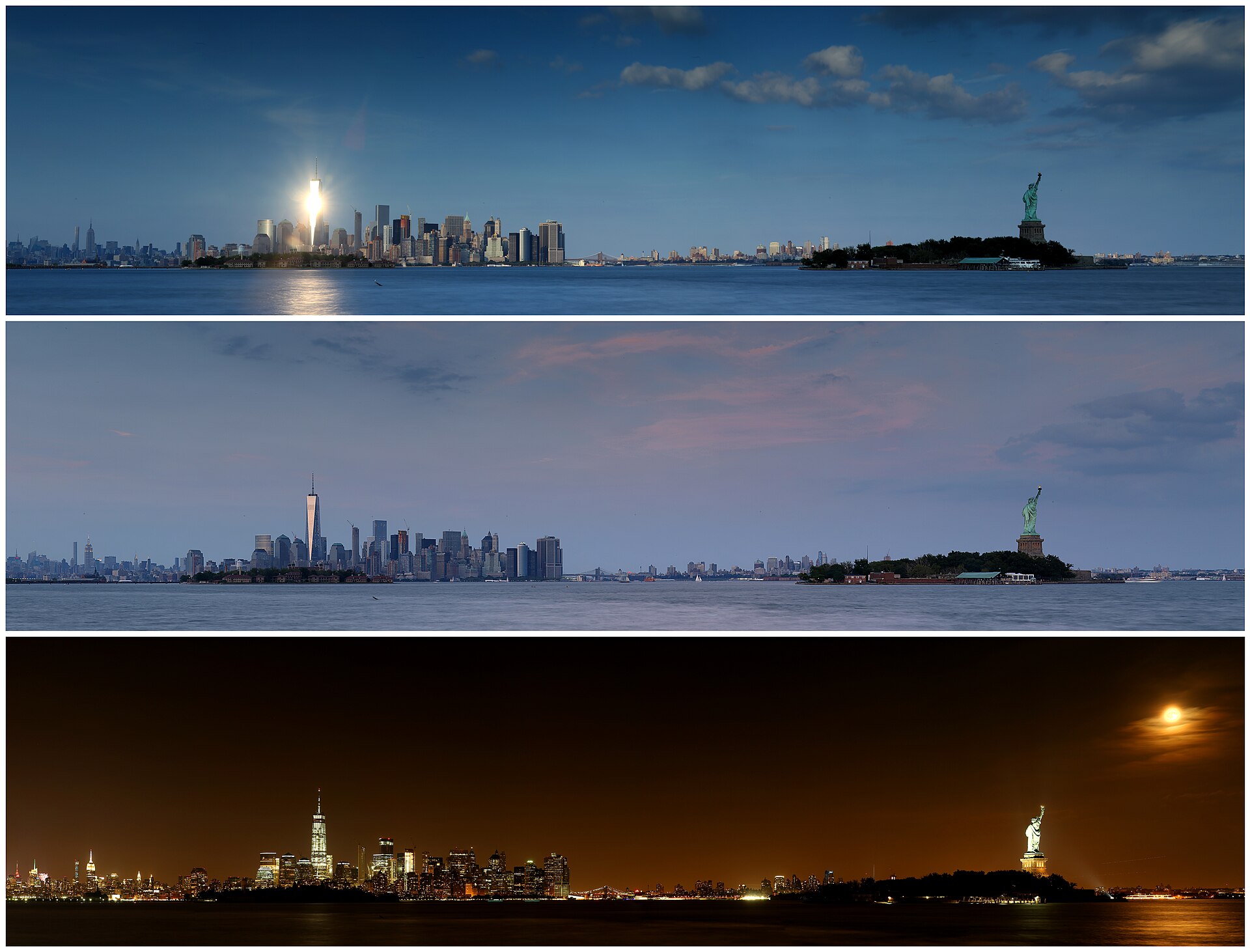
Liberty State Park occupies some of the most valuable waterfront land in America, and for just as long as it has existed, its future has been debated. The park was created on former railroad and industrial land behind the Statue of Liberty, and large portions of its interior have remained off-limits or underused for years because the land required environmental cleanup after its industrial past.
That history frames the questions this investigation revisits. How much of the park should be active recreation, how much should be restored habitat and open lawn, and how should improvements be paid for? Over the years, proposals for the park have included commercial elements, and each has prompted public argument about whether private uses belong inside a state park created as public open space on the harbor.
New Jersey's Department of Environmental Protection, which manages state parks, has pursued planning and cleanup work for the park's interior in recent years, including efforts to address contaminated areas and to design trails, habitat and recreation spaces for sections that visitors have not been able to use. Community advocates organized around the park have consistently pressed for maximum public access, protection of wildlife habitat on the bay and transparency in any agreements affecting park land.
The stakes are not abstract for Jersey City. The park is the city's largest green space, its setting for views of the Statue of Liberty and Ellis Island, and a buffer of open land on a waterfront that is otherwise heavily developed. Decisions about its interior will shape what residents can actually do in the park for decades, from walking trails and nature areas to sports fields that local leagues need.
What to watch is the specifics: published plans, public comment opportunities and the terms of any proposal that involves private money or private use. Public land decisions reward public attention. Residents who care about the outcome can follow the state parks planning process, attend announced meetings and put comments on the record while plans are still being shaped rather than after they are final.